
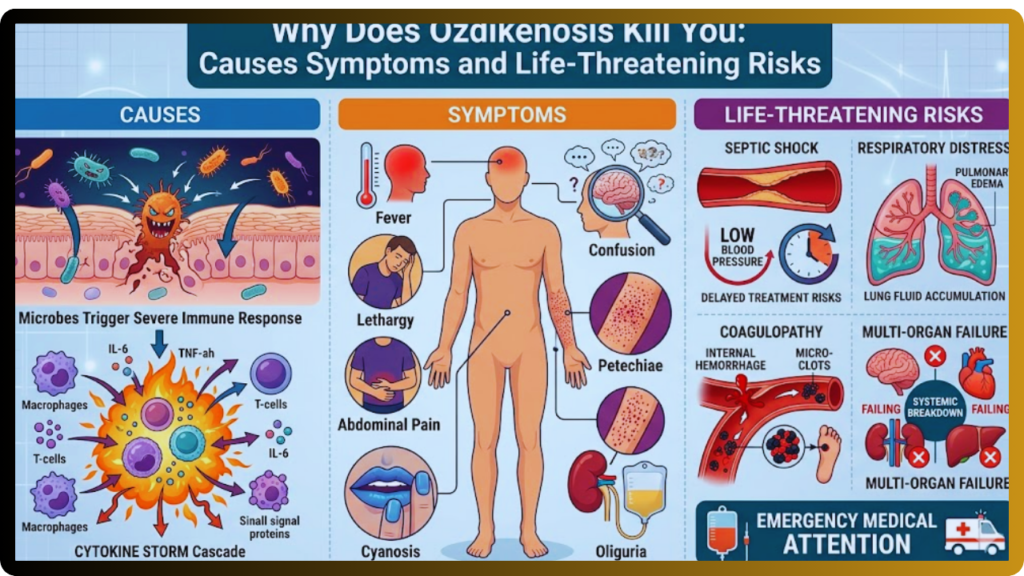

Ozdikenosis is a rare and life-threatening condition that has puzzled medical experts for years. People often ask, why does ozdikenosis kill you, and the answer lies in the disease’s ability to attack multiple vital systems simultaneously. The condition progresses silently, making early detection challenging. Without proper treatment, ozdikenosis can lead to organ failure and severe complications. In this article, we explore its causes, symptoms, risks, and preventive measures to help readers understand why it can be fatal. Patients often experience confusion or anxiety due to the unknown nature of the disease, which can delay seeking medical help. Awareness and education about ozdikenosis are essential for reducing fatalities. Recognizing its serious impact on overall health is the first step toward prevention and better management. Proactive care and monitoring are vital to improving patient outcomes.
Who Is Affected by Ozdikenosis?
Ozdikenosis can impact individuals of any age, but certain groups are at higher risk. Those with pre-existing health conditions, older adults, and people with compromised immune systems are particularly susceptible. Researchers note that early intervention significantly improves outcomes, which highlights why understanding why does ozdikenosis kill you is essential. The disease’s stealthy progression often masks early warning signs, making regular check-ups crucial for at-risk individuals. Symptoms may often be mistaken for other common illnesses, which increases the danger of delayed diagnosis. Families of patients also face emotional and logistical challenges as they support loved ones. Understanding the risk profile helps healthcare providers prioritize monitoring and care for vulnerable populations. Awareness campaigns and genetic counseling are helping high-risk groups reduce complications.
How Ozdikenosis Impacts the Body
Mechanisms Behind the Disease
Ozdikenosis primarily disrupts vital organs by interfering with cellular metabolism. This leads to chronic inflammation, tissue damage, and immune system suppression. Understanding these mechanisms is central to answering why does ozdikenosis kill you, as the damage gradually overwhelms the body’s natural defenses. Advanced stages often involve failure of the heart, kidneys, and liver, which are critical for survival. Researchers have noted that small biochemical imbalances caused by ozdikenosis accumulate over time, exacerbating organ stress. Inflammation in the body can affect multiple systems simultaneously, which accelerates health deterioration. These systemic effects make the disease particularly insidious and dangerous if not addressed early. Proper monitoring and prompt medical intervention are essential to prevent long-term damage.
Symptoms That Indicate Danger
Recognizing Early Warning Signs
Early detection of ozdikenosis is vital because symptoms often appear gradually. Patients may experience fatigue, unexplained pain, organ dysfunction, and frequent infections. If ignored, these warning signs escalate into life-threatening complications, which explains why why does ozdikenosis kill you remains a pressing question. Prompt diagnosis can slow progression and improve survival outcomes. Some patients may also notice subtle cognitive changes or emotional instability, which can further complicate detection. Severe cases often present with multiple organ distress, making emergency intervention necessary. Recognizing these early indicators allows healthcare providers to prevent catastrophic outcomes through timely treatment. Education about symptom awareness empowers patients to seek medical care sooner.
Why Ozdikenosis Is Fatal
Factors Leading to Death
The fatality of ozdikenosis is largely due to cumulative organ failure and systemic inflammation. Immune suppression allows infections to become severe, while metabolic disruption strains critical organs. Medical studies suggest that untreated cases have a high mortality rate, reinforcing the importance of understanding why does ozdikenosis kill you. Timely treatment can reduce these risks and prevent sudden health crises. Even minor infections or complications can rapidly worsen due to compromised immunity. Patients who delay care often experience irreversible damage to multiple systems. The interconnected nature of organ failure explains why ozdikenosis is particularly lethal. Continuous medical supervision and proactive care are crucial for survival.
Managing and Treating Ozdikenosis
Effective Treatment Approaches
Proper management of ozdikenosis focuses on slowing its progression and supporting organ function. Treatments include reducing inflammation, boosting immunity, and closely monitoring vital systems. Patients adhering to medical guidance often have improved outcomes, highlighting why awareness of why does ozdikenosis kill you is critical. Lifestyle adjustments, such as balanced nutrition and stress management, complement medical interventions to reduce risk. Medication protocols are tailored to the severity of organ involvement, requiring ongoing evaluation. Holistic approaches, including mental health support, often improve adherence and quality of life. Effective management requires consistent follow-up and patient education to avoid complications. Early engagement with specialists ensures that patients receive comprehensive support for all affected systems.
Prevention and Lifestyle Strategies
Reducing Risk Factors
Preventing fatal outcomes from ozdikenosis involves early detection and maintaining overall health. Regular medical check-ups, monitoring symptoms, and proactive care can significantly improve prognosis. Lifestyle strategies that support organ health and immunity are key in mitigating severe consequences. Understanding these preventive measures helps explain why why does ozdikenosis kill you and emphasizes the importance of vigilance. Adequate hydration, sleep, and avoidance of stressors can reduce systemic strain. Incorporating preventive care into daily routines strengthens resilience against disease progression. Public awareness campaigns can also play a critical role in prevention and early intervention. Patients who maintain a proactive lifestyle often experience slower disease progression.
Emotional and Psychological Impact
Mental Health Considerations
Living with ozdikenosis can have profound psychological effects. Anxiety, depression, and stress are common among patients due to the disease’s chronic nature. Mental health struggles may indirectly worsen physical outcomes, highlighting another layer of why why does ozdikenosis kill you is an urgent concern. Support systems and counseling are essential components of comprehensive care. Emotional support can improve treatment compliance and overall quality of life. Patients with strong social networks often report better coping mechanisms and resilience. Mental health considerations are therefore inseparable from the physical management of ozdikenosis. Incorporating relaxation and stress reduction techniques further improves overall well-being.
Long-Term Outlook for Patients
Prognosis and Survival Rates
The long-term outlook for individuals with ozdikenosis varies depending on early detection and treatment compliance. Medical reports indicate that patients who adhere to therapies and preventive measures experience significantly better survival rates. This underscores the critical importance of understanding why does ozdikenosis kill you and emphasizes ongoing monitoring for managing risks effectively. Patients who combine medical care with lifestyle adjustments often achieve a higher quality of life. Continuous research is also improving treatment protocols and understanding of disease mechanisms. Regular assessments allow doctors to adjust interventions proactively, which enhances long-term survival. Patients’ awareness and active involvement in their care significantly contribute to better outcomes. Long-term follow-up ensures early detection of complications before they become life-threatening.
Genetic Factors and Ozdikenosis
Genetics can play a significant role in susceptibility to ozdikenosis. Certain inherited traits may make organs more vulnerable to stress or inflammation, increasing the risk of severe outcomes. Researchers are studying specific genetic markers that could explain why some individuals experience faster disease progression. Understanding these factors may provide insights into personalized prevention strategies. Early genetic testing in high-risk families could help explain why why does ozdikenosis kill you occurs more severely in certain populations. The interplay of genes and environmental factors complicates disease management but also offers opportunities for tailored interventions. Genetic counseling can help families make informed health decisions. Advances in gene therapy and research could provide new avenues for mitigating risk in genetically predisposed individuals. Long-term monitoring of genetic factors allows healthcare providers to create individualized care plans that improve patient outcomes.
Environmental and Lifestyle Influences
Exposure to environmental toxins and poor lifestyle habits may exacerbate ozdikenosis. Air pollution, unhealthy diets, and chronic stress can increase systemic inflammation and organ strain. Understanding these contributing factors helps explain why why does ozdikenosis kill you can occur more rapidly in certain contexts. Lifestyle modifications like reducing exposure to harmful substances, improving nutrition, and managing stress are critical. Patients who adopt healthier routines often show slower progression of the disease. Continuous research is exploring the environmental triggers that influence ozdikenosis severity. Community education programs can further reduce risks associated with environmental factors. Awareness of local environmental hazards empowers patients to make preventive choices. Incorporating daily healthy routines strengthens the body’s ability to resist disease complications.
Impact on Heart Health
Ozdikenosis can significantly affect cardiovascular function. Chronic inflammation and metabolic imbalances increase the risk of heart complications, which may be fatal in advanced stages. This connection helps explain why why does ozdikenosis kill you can occur suddenly in some patients. Heart monitoring and cardiovascular support are critical components of patient management. Preventive measures, such as regular cardiovascular check-ups and lifestyle adjustments, can mitigate severe outcomes. Clinicians recommend combining medical treatment with heart-healthy routines to enhance overall survival. The interplay between heart health and disease progression underscores the need for comprehensive care. Maintaining cardiovascular health through exercise and stress management can reduce fatal complications. Early intervention in heart-related issues improves long-term quality of life and survival rates.
Impact on Kidney Function
Kidney involvement in ozdikenosis is a major cause of morbidity and mortality. The disease can impair filtration and fluid balance, leading to life-threatening complications. This highlights another reason why why does ozdikenosis kill you is a pressing concern. Regular kidney function tests allow early detection of organ stress. Treatment strategies include medication management and careful monitoring of electrolytes and hydration. Maintaining kidney health can prevent secondary complications and improve patient outcomes. Awareness of renal impact encourages proactive monitoring and timely intervention. Avoiding nephrotoxic substances and staying hydrated are key preventive measures. Integrating kidney-focused care into the overall treatment plan supports long-term patient survival.
Impact on Liver Function
Liver damage is a common complication of ozdikenosis due to metabolic overload. Impaired detoxification and enzyme imbalance can accelerate disease progression. Understanding this effect further explains why why does ozdikenosis kill you is often linked to multiple organ failure. Regular liver function tests and supportive care can slow deterioration. Nutritional support and avoidance of hepatotoxic substances are essential. Patients who follow these recommendations often experience improved disease management. Coordinated care with hepatology specialists ensures optimal monitoring and intervention. Early detection of liver dysfunction allows timely interventions that prevent further systemic complications. Maintaining liver health through diet and avoiding alcohol or toxins supports overall disease management.
Impact on Respiratory Health
Respiratory complications may occur as ozdikenosis progresses. Chronic inflammation and systemic stress can weaken lung function and reduce oxygen supply. This provides another explanation for why why does ozdikenosis kill you can be fatal without intervention. Pulmonary monitoring and early treatment of infections are critical. Patients may benefit from breathing exercises, oxygen support, and regular medical check-ups. Managing respiratory health is integral to overall survival and quality of life. Awareness of these risks promotes comprehensive care strategies. Incorporating respiratory exercises into daily routines can enhance lung function. Preventive measures against infections are particularly important for patients with compromised immunity.
Digestive System Complications
Ozdikenosis can affect digestion and nutrient absorption, weakening the body further. Malnutrition and gastrointestinal disturbances may accelerate organ stress. These effects contribute to the understanding of why why does ozdikenosis kill you is a serious health concern. Nutritional counseling and careful dietary management support organ function. Maintaining a balanced diet and hydration improves resilience against disease complications. Early intervention in digestive issues enhances overall treatment effectiveness. Ongoing research continues to explore the link between digestive health and disease outcomes. Incorporating probiotics and nutrient-rich foods can aid digestion and strengthen immunity. Awareness of digestive health ensures timely interventions that prevent further systemic deterioration.
Musculoskeletal Effects
Chronic inflammation from ozdikenosis can weaken muscles and bones. Reduced mobility may increase the risk of injury and further complicate disease management. This is another reason why why does ozdikenosis kill you can become critical in advanced cases. Physical therapy and mobility exercises help preserve function. Maintaining strength and flexibility can improve patient quality of life. Healthcare providers emphasize integrating musculoskeletal care into the overall treatment plan. Early attention to physical health supports long-term survival. Consistent exercise and rehabilitation programs improve both mobility and overall resilience. Attention to posture and ergonomics can further reduce the risk of musculoskeletal complications.
Cognitive and Neurological Impacts
Ozdikenosis may affect brain function, causing cognitive decline or neurological symptoms. Memory issues, confusion, and mood changes are possible. These neurological effects contribute to the urgency of understanding why does ozdikenosis kill you. Early neurological assessment can detect changes and guide interventions. Cognitive therapy and mental stimulation support brain health. Patients benefit from comprehensive care that addresses both physical and cognitive aspects. Awareness of neurological involvement encourages holistic treatment planning. Monitoring cognitive health enables early support to maintain independence. Neurological care combined with physical health strategies can improve overall patient quality of life.
Immune System Dysfunction
Ozdikenosis suppresses the immune system, leaving patients vulnerable to infections. Compromised immunity is a key factor in explaining why why does ozdikenosis kill you can occur rapidly. Proactive infection control and vaccination strategies are critical. Supporting immune health with proper nutrition and lifestyle choices enhances resilience. Timely medical attention for infections prevents escalation into life-threatening events. Understanding immune dysfunction is essential for comprehensive disease management. Patients and caregivers must monitor for early signs of infection. Strengthening the immune system through targeted nutrition and regular monitoring improves survival rates. Early detection of immune complications ensures timely interventions that reduce severe risks.
FAQs
Q1: Can ozdikenosis be cured?
Currently, there is no complete cure, but treatments can manage symptoms and slow progression.
Q2: How fast does ozdikenosis progress?
The disease progresses gradually, often remaining undetected until organs are significantly affected.
Q3: What are the main symptoms?
Symptoms include fatigue, pain, organ dysfunction, and recurrent infections.
Q4: Who is most at risk?
Older adults, people with pre-existing health conditions, and those with weakened immune systems are more vulnerable.
Q5: How can I reduce the risk of fatal outcomes?
Early detection, regular medical monitoring, and healthy lifestyle choices are crucial in reducing risk.
- You May Like this:Abby Hornacek Husband Career Age Family and Private Life
Final Thoughts
Ozdikenosis is a rare but extremely serious disease that can overwhelm vital organs if left untreated. Understanding why does ozdikenosis kill you highlights the importance of early detection, effective medical care, and preventive lifestyle strategies. Awareness of its symptoms and risk factors is key to reducing fatal outcomes. By prioritizing health and monitoring at-risk individuals, the threat posed by ozdikenosis can be managed effectively. Continuous research and education are essential to improve patient outcomes. Early intervention and adherence to medical guidance remain the most powerful tools in preventing fatal consequences. Patients and caregivers must stay informed and vigilant, as proactive monitoring can significantly improve prognosis. Maintaining hope and staying proactive about treatment strategies can make a tangible difference in long-term survival and quality of life. Comprehensive management, combining medical, lifestyle, and psychological care, offers patients the best chance for stability and well-being.