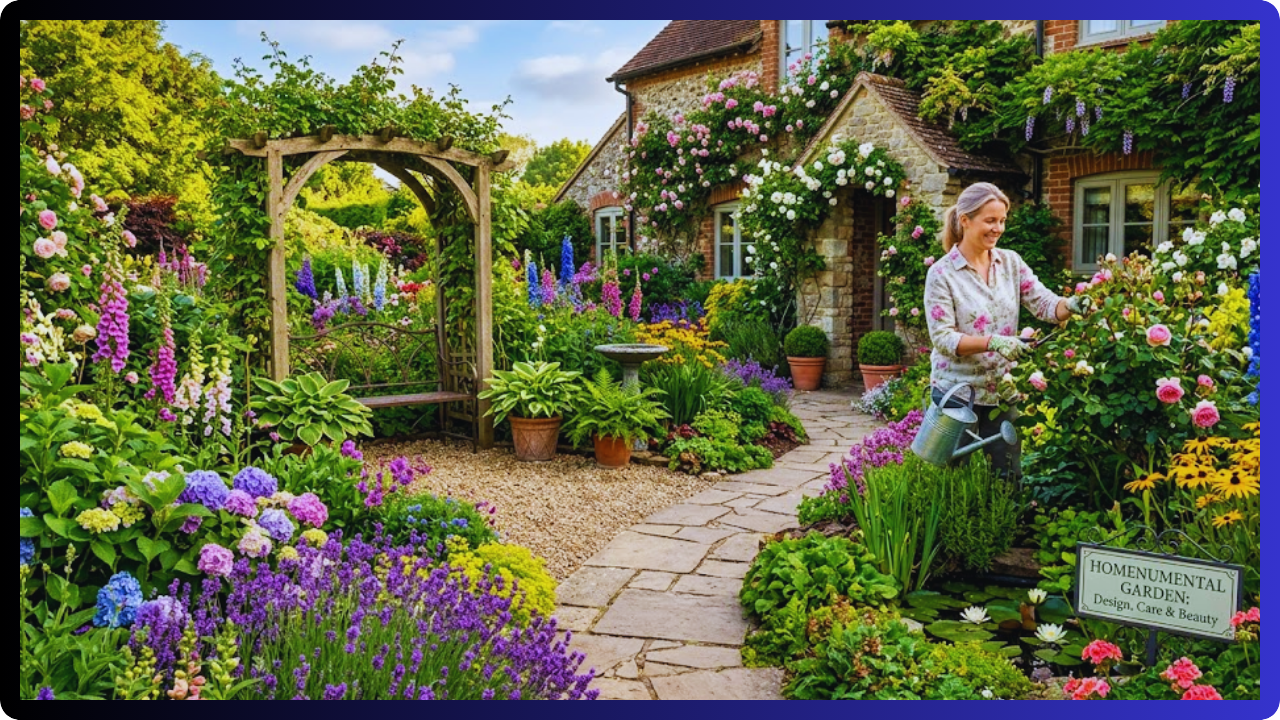
Creating a visually appealing and well-structured garden at home requires careful planning and creativity. The concept of garden advice homenumental provides a practical and aesthetic approach to designing ornamental spaces that enhance your living environment. Whether you are working with a small balcony or a large outdoor area, applying the right strategies can transform any space into a green retreat. A thoughtfully designed garden not only improves the appearance of your home but also supports relaxation and mental well-being. Research indicates that green spaces can reduce stress levels and improve focus significantly. By following a structured approach, homeowners can achieve a balance between beauty and functionality. This article explores how garden advice homenumental can help you build and maintain a stunning ornamental garden. It also highlights how proper planning leads to long-term success in gardening. Understanding design principles helps avoid common beginner mistakes. Consistency in care ensures lasting beauty and plant health. A well-managed garden reflects personal style and creativity. With the right mindset, anyone can develop a thriving ornamental garden.
Who Is Garden Advice Homenumental
The term garden advice homenumental is not associated with a specific person but rather represents a modern gardening concept. It combines home gardening techniques with ornamental design principles to create visually attractive outdoor spaces. This approach focuses on blending creativity, sustainability, and practical maintenance methods. It is widely used by homeowners, garden designers, and landscaping enthusiasts who aim to improve their living spaces. The idea emphasizes both aesthetic value and long-term garden health. By understanding this concept, individuals can create gardens that are both beautiful and easy to maintain. It serves as a complete guideline for anyone interested in ornamental home gardening. This concept continues to grow in popularity among modern homeowners. It encourages smart use of space and available resources. It also supports eco-friendly gardening practices. Learning this method helps improve overall garden efficiency. It provides a reliable framework for consistent garden improvement.
Key Elements of Garden Advice Homenumental
Plant Selection for Visual Impact
Choosing the right plants is essential for creating a vibrant ornamental garden. A balanced mix of flowering plants, shrubs, and greenery helps create depth and contrast in the space. Bright flowers add color, while foliage plants provide structure and calmness. Seasonal variations ensure the garden remains attractive throughout the year. Selecting climate-friendly plants reduces maintenance and improves plant survival. This method reflects the core principles of garden advice homenumental, ensuring both beauty and sustainability. Proper plant selection can significantly enhance the overall appearance of your garden. It also helps maintain ecological balance in your space. Diverse plant choices attract beneficial insects and pollinators. Healthy plant combinations reduce the risk of disease spread. Careful selection improves long-term garden stability. This step builds a strong foundation for ornamental success.
Layout and Structure in Garden Advice Homenumental
Designing a Balanced Garden Space
A well-planned layout is crucial for achieving a visually appealing garden. Organizing the space into different sections helps maintain clarity and structure. Balanced arrangements prevent overcrowding and improve accessibility. Curved designs often create a more natural and inviting feel. Layering plants based on height adds depth and visual interest to the garden. These layout techniques are fundamental to garden advice homenumental and contribute to a more organized outdoor space. A clear structure also makes ongoing maintenance easier and more efficient. A thoughtful layout enhances movement within the garden. It also improves sunlight distribution for plant growth. Defined spaces make gardening tasks more manageable. Visual balance creates a relaxing atmosphere. Proper structure supports long-term design consistency.
Maintenance Tips for Garden Advice Homenumental
Watering, Pruning, and Seasonal Care
Consistent maintenance is key to keeping your garden healthy and attractive. Proper watering ensures plants receive enough moisture without causing damage. Pruning helps maintain shape and encourages new growth. Seasonal care protects plants from extreme weather conditions and supports long-term growth. Healthy soil plays an important role in plant development and overall garden success. These maintenance practices are essential parts of garden advice homenumental. Regular care ensures your ornamental garden remains vibrant throughout the year. Routine checks help detect issues early. Timely care prevents major plant damage. Maintenance improves plant lifespan and strength. Consistency keeps the garden visually appealing. A disciplined approach ensures lasting results. Following seasonal care routines also helps maximize bloom and fruit yield.
Benefits of Garden Advice Homenumental
Improving Home Value and Lifestyle
Following garden advice homenumental can significantly enhance both the appearance and value of your property. A well-maintained ornamental garden creates a welcoming environment and leaves a strong impression on visitors. It also provides a peaceful space for relaxation and social gatherings. Gardening activities promote physical activity and reduce stress naturally. Over time, a structured garden design increases property value and long-term appeal. This approach ensures your outdoor space remains both functional and beautiful. It also improves overall quality of life. A beautiful garden encourages outdoor living. It creates a healthy and refreshing environment. Regular interaction with nature boosts mental clarity. This method adds long-term lifestyle benefits. Additionally, well-planned gardens help conserve energy by naturally cooling your home.
Common Mistakes in Garden Advice Homenumental
Avoiding Basic Gardening Errors
Many gardeners make simple mistakes that affect the success of their ornamental gardens. Overcrowding plants can limit growth and reduce visual balance. Ignoring soil quality often leads to weak and unhealthy plants. Excessive watering damages roots and shortens plant lifespan. Poor planning can make the garden look disorganized and less attractive. Understanding these mistakes helps in applying garden advice homenumental more effectively. Avoiding common errors leads to better and more sustainable results. Awareness helps improve decision-making in gardening. Learning from mistakes strengthens gardening skills. Proper planning reduces future problems. Avoiding errors saves time and effort. It also ensures consistent garden improvement. Minor mistakes compound over time, so early correction is critical.
Modern Trends in Garden Advice Homenumental
Adapting Contemporary Garden Styles
Modern gardening trends are becoming an important part of garden advice homenumental. Homeowners now prefer minimalist designs with clean lines and simple layouts. Vertical gardening is gaining popularity for small spaces and urban homes. Eco-friendly gardening practices such as composting and water conservation are widely adopted. Decorative lighting and smart irrigation systems are also enhancing garden functionality. These trends make gardens more efficient and visually appealing. Adapting modern ideas helps keep your garden stylish and up to date. Innovation continues to shape garden design choices. Smart tools improve gardening efficiency. Sustainable trends support environmental protection. Modern styles enhance visual appeal. Staying updated keeps your garden relevant. Incorporating technology helps monitor plant health and water usage.
Seasonal Planning in Garden Advice Homenumental
Adjusting Garden Care Throughout the Year
Seasonal planning plays a key role in maintaining a healthy ornamental garden. Each season requires different care routines to support plant growth and survival. Summer may need extra watering and shade, while winter requires protection from cold conditions. Choosing seasonal plants ensures continuous color and vibrancy in the garden. Regular adjustments help maintain plant health and prevent damage. This approach aligns with garden advice homenumental principles for long-term success. Proper seasonal care keeps your garden looking fresh all year round. Planning ahead improves garden resilience. Seasonal awareness reduces plant stress. Timely actions prevent major damage. It also supports continuous blooming cycles. A proactive approach ensures year-round beauty. Seasonal planning also helps schedule fertilization and pest control efficiently.
Choosing the Right Garden Tools
Using proper gardening tools improves efficiency and reduces effort in maintaining your garden. Quality tools last longer and support healthier plant care. Investing in ergonomically designed tools can reduce strain and make gardening more enjoyable. Regularly cleaning and sharpening tools ensures they remain effective and safe to use. Choosing the right tool for each task saves time and prevents plant damage. High-quality tools often come with warranties, providing long-term value. Maintaining an organized tool storage area also improves workflow. With the right tools, even complex gardening tasks become easier, and your garden thrives with less effort. Using the correct tools also minimizes mistakes and plant damage. Tools tailored for specific tasks improve precision and results. Proper maintenance of tools prolongs their lifespan and reduces replacement costs. Selecting sustainable and durable tools aligns with eco-friendly gardening practices. Quality tools also motivate regular maintenance and efficient care. Investing in durable tools ensures better long-term results.
Understanding Sunlight and Shade Requirements
Different plants have varying sunlight needs. Knowing which areas are sunny or shaded helps optimize plant placement. Some plants thrive in full sunlight, while others prefer partial shade or indirect light. Observing your garden at different times of the day helps identify microclimates. Proper sunlight exposure supports photosynthesis and promotes healthy growth. Overexposure can burn leaves, while insufficient light slows flowering and development. Using shade cloths or strategic planting can balance sunlight needs. Understanding light requirements is essential for creating a vibrant and healthy garden ecosystem. Tracking sun patterns ensures plants receive adequate light throughout the seasons. Combining sun-loving and shade-tolerant plants increases overall diversity. Adjusting plant positions periodically can improve growth and flowering. Knowledge of light preferences reduces plant stress and enhances garden resilience. Proper sunlight understanding also supports flowering, fruiting, and overall energy efficiency.
Soil Preparation and Fertilization Techniques
Healthy soil is the foundation of a thriving garden. Preparing soil and adding nutrients supports strong plant growth. Testing soil pH and texture helps determine the right amendments. Adding organic compost improves soil structure, fertility, and water retention. Fertilizers should be used according to plant needs to prevent overfeeding. Mulching helps retain moisture and reduces weed growth. Aerating soil encourages root development and nutrient absorption. Proper soil preparation ensures long-term plant health and aligns with garden advice homenumental principles for sustainable growth. Incorporating natural soil enhancers boosts microbial activity. Regular soil testing allows timely adjustment of nutrients. Mixing organic matter improves aeration and water holding capacity. Healthy soil promotes stronger roots and better plant resilience. Proper soil also reduces disease incidence and increases nutrient efficiency.
Incorporating Color and Texture in Gardens
Mixing plant colors and leaf textures creates visual interest and makes the garden more dynamic and inviting. Combining contrasting foliage shapes, heights, and colors adds depth and vibrancy. Seasonal flowering plants can be rotated to maintain color year-round. Using ornamental grasses or textured shrubs provides visual balance. Grouping complementary colors enhances the aesthetic appeal and creates focal areas. Incorporating both soft and bold textures maintains harmony while adding variety. A thoughtful combination of color and texture transforms ordinary spaces into elegant ornamental gardens. Strategic planning ensures the garden is visually engaging and pleasing from every angle. Using a mix of perennials and annuals sustains seasonal variation. Color contrasts guide the eye through the garden design. Leaf textures can soften hardscapes and define garden zones. Proper use of color and texture encourages a more immersive and appealing outdoor experience. Color planning also enhances mood, attracting visitors’ attention naturally.
Planning Pathways and Garden Access
Clear pathways improve movement within the garden and enhance overall design while protecting delicate plants. Paths guide visitors through the space, providing structure and flow. Materials such as stone, gravel, or wood can match the garden’s overall style. Paths should be wide enough for comfort but not overpower the greenery. Curved pathways often create a more natural and inviting experience. Proper drainage along paths prevents water pooling and soil erosion. Incorporating seating areas along pathways adds functionality and encourages relaxation. Thoughtful pathway planning balances beauty, accessibility, and practicality in the garden layout. Pathways define sections and improve maintenance access. Using contrasting materials highlights garden features. Accessibility ensures all areas are usable for everyone. Proper design prevents accidental plant damage and supports sustainable layout planning. Pathways also guide traffic flow efficiently. Regularly maintaining pathways prevents moss or erosion buildup.
Enhancing Garden Privacy and Screening
Using hedges or vertical elements adds privacy and helps define different sections in the garden space. Tall shrubs, bamboo, or trellises can create natural screens while enhancing aesthetics. Strategically placed plants block unsightly views and reduce noise pollution. Privacy elements also provide wind protection for delicate plants. Layering plants of varying heights creates depth and visual interest. Evergreen species maintain screening year-round, ensuring continuous coverage. Combining functionality with style ensures that your garden remains both private and attractive. Enhancing privacy aligns with the principles of garden advice homenumental, creating a comfortable and serene outdoor space. Privacy plants can also create microclimates for sensitive species. Seasonal variation in screening plants maintains visual interest. Combining living screens with fences enhances both aesthetics and security. Proper planning ensures privacy without overcrowding the space. Screening also improves safety for children and pets. Choosing plants for privacy enhances beauty while serving practical needs.
Adding Focal Points and Decorations
Aesthetic elements like sculptures, fountains, or planters create attention-grabbing focal points in the garden. Focal points guide the eye and add structure to otherwise open areas. Garden art, decorative stones, or water features add personality and charm. Positioning focal points near seating areas encourages engagement and enjoyment. They can also highlight seasonal plant arrangements or specific garden zones. Using a mix of natural and artistic elements ensures harmony within the garden’s design. Carefully chosen focal points elevate the visual appeal and create memorable garden experiences. They enhance both the style and function of the outdoor space. Changing focal points seasonally keeps the garden fresh and interesting. Integrating focal points with surrounding plants improves cohesion. Multi-sensory elements like water features add sound and movement. Thoughtful placement can also emphasize garden symmetry and balance. Focal points enhance photography and social media sharing opportunities. They also provide a visual anchor for themed gardens.
Encouraging Wildlife and Pollinators
Attracting birds, bees, and butterflies supports ecological balance and adds life to the garden environment. Planting native flowering species ensures a consistent food source for pollinators. Bird feeders, water baths, and nesting boxes create a welcoming habitat. Reducing pesticide use protects beneficial insects and maintains garden health. Pollinator activity improves plant reproduction and fruit yield. Wildlife-friendly gardens contribute to biodiversity and strengthen local ecosystems. Thoughtful planning of pollinator-friendly plants aligns with garden advice homenumental principles. Engaging with wildlife brings movement, sound, and color to your garden, making it lively and thriving. Creating shaded spots and water sources supports all types of wildlife. Seasonal planting ensures food availability year-round. Habitat diversity encourages beneficial predators to control pests. Pollinator-friendly gardens boost ecological health while enhancing beauty. Adding native shrubs encourages nesting and shelter. Wildlife engagement improves learning opportunities for children.
Sustainable Water Management
Implementing rainwater harvesting or efficient irrigation reduces water consumption and helps maintain plant health. Drip irrigation systems provide consistent moisture directly to roots, minimizing waste. Mulching helps retain soil moisture and reduces evaporation. Rain gardens or permeable surfaces promote groundwater replenishment. Monitoring water needs for different plant species prevents overwatering and nutrient leaching. Capturing and reusing water supports environmentally conscious gardening practices. Sustainable water management ensures long-term resilience of your garden during dry seasons. Efficient water use maintains plant health while conserving resources, aligning with garden advice homenumental principles. Combining irrigation with rainwater collection maximizes resource efficiency. Soil moisture monitoring prevents water stress and promotes growth. Grouping plants by water needs optimizes irrigation. Efficient water planning contributes to a sustainable and thriving garden ecosystem. Water-saving strategies also reduce utility costs. Proper water management prevents root rot and soil erosion.
Seasonal Plant Rotation and Planning
Rotating plants each season keeps the garden fresh, prevents soil depletion, and maintains long-term beauty. Choosing seasonal flowers ensures continuous bloom and color throughout the year. Plant rotation helps manage pests and reduces disease spread. Companion planting improves nutrient uptake and soil fertility. Planning ahead for each season prevents overcrowding and ensures proper spacing. Seasonal rotation also allows for testing new plant varieties and experimenting with design. Long-term planning aligns with garden advice homenumental, ensuring your garden remains vibrant, healthy, and visually appealing throughout the year. Strategic seasonal planning also helps predict resource needs. It encourages experimentation with color, texture, and height. Rotation prevents soil exhaustion and maintains nutrient balance. Adjusting plants seasonally reduces pest problems. Proper planning ensures consistent beauty and functional layout all year. Seasonal rotation also encourages creativity in garden design. It improves bloom cycles and maximizes harvests for edible plants.
FAQs
What is garden advice homenumental?
It is a method for designing and maintaining beautiful ornamental home gardens.
Is it suitable for beginners?
Yes, it provides simple and practical gardening techniques for all levels.
Can I apply it in a small space?
Yes, it works effectively for balconies and compact garden areas.
How often should I maintain my garden?
Basic maintenance should be done weekly with seasonal adjustments.
Why is garden planning important?
Planning ensures better plant growth and a visually balanced garden.
- You May Like this:TrendyWinner Com Complete Guide to Features Safety and User Experience
Final Thoughts
Building a beautiful ornamental garden requires a combination of creativity, planning, and consistent care. The principles of garden advice homenumental provide a clear and effective way to achieve a balanced and attractive outdoor space. By focusing on plant selection, layout design, and regular maintenance, homeowners can create a garden that remains appealing throughout the year. This approach not only enhances the beauty of your home but also provides a peaceful environment for relaxation. Over time, your garden can become a personal sanctuary that reflects your style and effort. With the right techniques, any space can be transformed into a stunning ornamental garden. Understanding design principles helps avoid common beginner mistakes. Consistency in care ensures lasting beauty and plant health. A well-managed garden reflects personal style and creativity. Following these methods improves ecological balance and supports sustainability. Regular updates and experimentation keep the garden exciting. Applying structured techniques ensures long-term vibrancy. Observing plant behavior enhances knowledge and skill.