
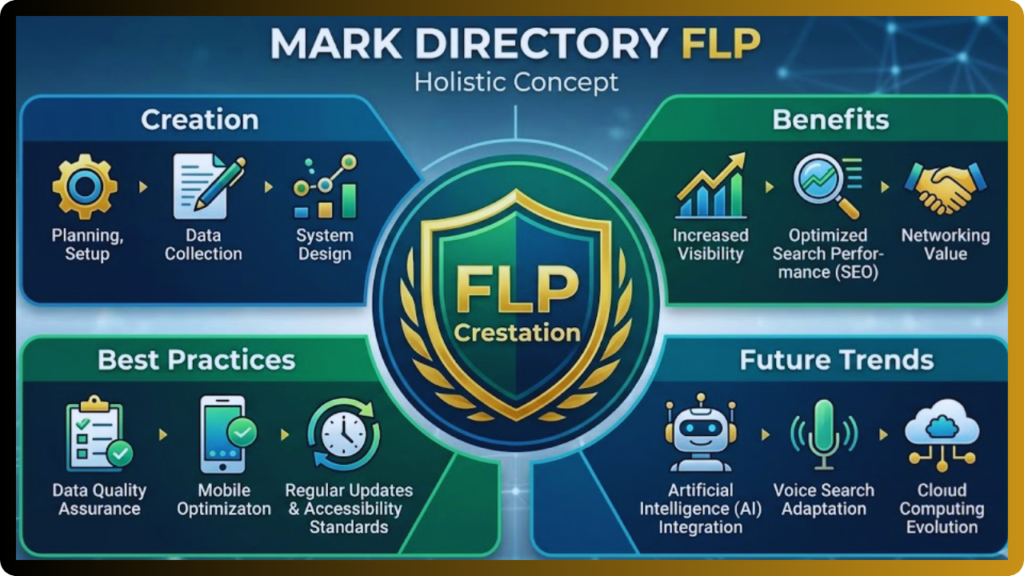

In the modern digital ecosystem, structuring data and organizing content is no longer optional—it is essential for success. The concept of mark directory flpcrestation helps businesses and individuals create a clean, logical, and SEO-friendly directory system. When directories are properly marked and structured, search engines can crawl content more efficiently, improving visibility and ranking. At the same time, users benefit from easier navigation and faster access to relevant information. This approach not only enhances technical SEO but also supports long-term scalability. By understanding how to apply mark directory flpcrestation, you can build a stronger and more organized digital presence. It also helps reduce technical errors and improves overall workflow efficiency. Businesses that implement structured directories often see measurable improvements in site performance. This strategy creates a solid foundation for sustainable digital growth. Additionally, it enables better analytics tracking, reduces server load, and provides clear pathways for future growth.
Who Is Mark Directory FLPCrestation?
The term mark directory flpcrestation is not a person but a strategic concept used in digital organization and SEO. It represents a method of labeling, structuring, and optimizing directories for better performance and clarity. Businesses, developers, and SEO professionals use this approach to ensure their systems remain efficient and easy to manage. It focuses on improving how content is stored, accessed, and indexed by search engines. This method has become increasingly important as websites and digital assets continue to grow. Understanding this concept is key to maintaining a well-structured online environment. It also supports better collaboration among teams working on shared systems. A clear structure minimizes confusion and speeds up project execution. As digital ecosystems expand, this approach becomes even more valuable. Additionally, it streamlines workflows, simplifies audits, and prepares websites for future technology upgrades.
Importance of Mark Directory FLPCrestation in SEO
Why Structured Directories Matter
A structured directory system is the backbone of an optimized website, and mark directory flpcrestation plays a key role in achieving this. When directories are clearly labeled and logically arranged, search engines can easily understand the hierarchy of your content. This improves indexing speed and increases the chances of higher rankings. A well-organized structure also reduces errors such as broken links and duplicate content. Users benefit from smoother navigation, which leads to better engagement and lower bounce rates. Overall, structured directories create a strong foundation for SEO success. It also enhances website credibility in the eyes of search engines. Better structure leads to improved crawling efficiency and faster updates in search results. This ultimately contributes to long-term SEO stability. Proper structure also supports mobile optimization and faster page rendering.
Core Elements of an Effective Directory System
Building a Logical Hierarchy
Creating a logical hierarchy is essential when implementing mark directory flpcrestation. Directories should be arranged in a way that reflects the relationship between different types of content. This makes it easier for both users and search engines to navigate your system. Clear and descriptive naming conventions further enhance understanding and accessibility. Consistency across all directories ensures that the structure remains easy to manage. A well-planned hierarchy not only improves usability but also supports long-term growth and scalability. It also helps in reducing redundancy and maintaining clean data organization. Proper hierarchy improves internal workflows and saves time during updates. This structured approach ensures your system remains efficient as it expands. Hierarchy clarity also reduces user confusion and improves content discovery.
Benefits of Using Mark Directory FLPCrestation
Enhancing Performance and User Experience
The use of mark directory flpcrestation provides multiple benefits, especially in terms of performance and user experience. A clean directory structure allows faster page loading and efficient content retrieval. Users can quickly find what they are looking for, which increases satisfaction and engagement. Search engines also reward well-organized websites with better rankings and visibility. Additionally, managing and updating content becomes much easier with a structured system. These advantages make it a valuable strategy for any digital platform. It also reduces server load by optimizing file access paths. Improved structure contributes to better analytics tracking and reporting. Overall, it strengthens both technical and user-focused aspects of a website. It also allows for easier implementation of new content strategies without disrupting existing systems.
Best Practices for Implementation
Maintaining Simplicity and Consistency
To successfully apply mark directory flpcrestation, it is important to keep the structure simple and consistent. Avoid overly complex directory paths that can confuse users and search engines. Instead, focus on clarity and relevance in naming and organization. Regularly review and update your directories to ensure they remain accurate and efficient. Consistency across the system helps maintain order and improves overall usability. Following these best practices will ensure long-term effectiveness and sustainability. It also helps in preventing duplication and unnecessary clutter. A simple structure makes onboarding new team members easier. Maintaining consistency ensures long-term operational efficiency. Clear guidelines also improve team collaboration and reduce errors during content updates.
Common Challenges in Directory Structuring
Avoiding Organizational Mistakes
While implementing mark directory flpcrestation, many users face challenges related to poor planning and inconsistent naming. One common mistake is creating overly deep directory levels that make navigation confusing. Another issue is using unclear or duplicate names, which can affect indexing and user experience. These problems can reduce the effectiveness of your SEO efforts and slow down content discovery. To overcome these challenges, it is important to regularly audit your directory structure. Keeping everything simple, clear, and updated will ensure better performance. It also helps identify outdated or unused files that need removal. Regular audits improve system accuracy and efficiency. Addressing these challenges early prevents long-term complications. Continuous monitoring also ensures that the directory evolves with website growth.
Tools and Techniques for Directory Optimization
Leveraging Modern Solutions
Modern tools and techniques can make implementing mark directory flpcrestation much easier and more efficient. Automated systems can help organize files, detect errors, and maintain consistency across directories. These tools also provide insights into performance and help identify areas for improvement. Using advanced solutions allows businesses to manage large volumes of data without confusion. It also reduces manual effort and increases accuracy in organization. Adopting the right tools can significantly enhance your directory optimization strategy. It also enables real-time monitoring and quick error resolution. Automation improves productivity and reduces human mistakes. These technologies are essential for scaling digital systems effectively. Integration with AI-based tools allows predictive content organization for future expansion.
Future Scope of Mark Directory FLPCrestation
Trends and Innovations
The future of mark directory flpcrestation is closely tied to advancements in technology and automation. Artificial intelligence is expected to play a major role in improving directory structuring and data categorization. As digital content continues to grow, the need for efficient organization will become even more important. Businesses that adapt to these changes will gain a competitive advantage in search rankings and user experience. Innovations in this field will continue to simplify complex systems and improve efficiency. Staying updated with these trends is essential for long-term success. It will also enable smarter data management and predictive organization. Future systems will rely more on automation and intelligent structuring. Embracing these innovations will ensure sustained digital growth. This also positions businesses to adopt emerging technologies seamlessly.
Role of Directory Structure in Website Speed
A well-organized directory directly impacts website loading speed and overall performance. When files are placed logically, servers can retrieve data faster without unnecessary delays. This efficiency reduces load times and improves user experience across devices. Search engines also consider site speed as a ranking factor, making it even more important. A clean structure minimizes server requests and enhances caching capabilities. Optimizing directory paths ensures that resources are delivered quickly and efficiently. Additionally, a streamlined directory reduces server errors and improves uptime reliability. It helps in prioritizing critical content for faster delivery. Proper speed optimization can also positively influence conversion rates and user retention.
How Mark Directory FLPCrestation Supports Scalability
As websites grow, managing large volumes of content becomes increasingly complex. Mark directory flpcrestation provides a scalable framework that adapts to expanding data needs. A structured system allows new content to be added without disrupting existing organization. This ensures consistency and prevents clutter over time. Businesses can easily expand their platforms while maintaining efficiency. Scalability is essential for long-term digital success. It allows teams to integrate new features without overhauling the directory structure. Scalable systems reduce maintenance costs and technical debt. Over time, scalability ensures the platform can handle traffic spikes and content growth smoothly.
Impact on Content Organization and Accessibility
Proper directory marking improves how content is categorized and accessed by users. It ensures that files are grouped logically, making navigation intuitive and efficient. Users can quickly locate information without unnecessary searching. This enhances engagement and reduces frustration. Organized content also improves indexing by search engines. Better accessibility leads to improved overall performance. Logical content organization also reduces duplicate content issues and errors. It improves internal linking efficiency, making related content easier to discover. Enhanced accessibility ultimately leads to stronger user satisfaction and higher retention rates.
Importance of Consistent Naming Conventions
Consistency in naming directories is a key factor in maintaining clarity and organization. Uniform naming patterns make it easier to understand the structure at a glance. This reduces confusion and improves workflow efficiency. It also helps teams collaborate more effectively on shared systems. Consistent naming supports better indexing and search visibility. Maintaining this practice ensures long-term stability. Clear naming conventions improve content tracking and auditing processes. They also simplify automated workflows for updates or migrations. Teams benefit from reduced errors when accessing or sharing files across projects.
Role in Technical SEO Optimization
Directory structure plays a crucial role in technical SEO strategies. It helps search engines understand the relationship between different pages and files. This improves crawlability and indexing accuracy. A clear structure reduces errors such as broken links and duplicate content. Technical optimization enhances overall website performance. It is an essential component of successful SEO implementation. Optimized directories can improve the relevance of metadata and URL paths. They support faster site audits and easier implementation of SEO best practices. A well-structured system also strengthens overall domain authority in search rankings.
Enhancing User Navigation Experience
User navigation becomes smoother with a well-structured directory system. Visitors can easily move between pages and find relevant information quickly. This improves engagement and increases time spent on the site. A clear structure reduces bounce rates and enhances usability. Positive user experience contributes to higher search rankings. Navigation is a key factor in digital success. Intuitive directory layouts allow users to complete tasks with minimal clicks. It also builds trust and credibility as users feel the site is organized. Improved navigation ultimately drives more conversions and repeat visits.
Minimizing Errors and Redundancy
An organized directory helps reduce errors such as duplicate files and broken links. It ensures that all content is properly categorized and easy to manage. Regular maintenance prevents outdated files from causing issues. This improves system reliability and efficiency. Reducing redundancy saves storage space and enhances performance. A clean system is easier to maintain and scale. Fewer errors also improve data integrity across platforms. It reduces wasted effort for team members searching for misplaced files. Minimizing redundancy allows resources to be allocated more effectively.
Supporting Team Collaboration and Workflow
Structured directories make it easier for teams to collaborate on projects. Files are easy to locate, update, and share among team members. This improves productivity and reduces confusion. Clear organization supports efficient workflow management. Teams can work more effectively without wasting time searching for resources. Collaboration becomes smoother with a well-planned system. It also reduces miscommunication and mistakes in shared environments. Teams can implement consistent naming and version control more easily. Overall, it strengthens project management and accountability.
Integration with Modern Technologies
Modern technologies rely on structured data for optimal performance. Directory optimization supports integration with advanced tools and platforms. This ensures compatibility and efficient data handling. Automation systems benefit from clear organization and labeling. Integration enhances overall system functionality. Keeping directories optimized supports future technological advancements. Structured directories also facilitate cloud migration and synchronization. They improve API efficiency and data interoperability. This ensures long-term adaptability to new technologies.
Long-Term Benefits of Directory Optimization
Investing in directory optimization provides long-term advantages for digital platforms. It improves performance, scalability, and user experience over time. A structured system is easier to maintain and update. Businesses can adapt to changes without major disruptions. Long-term organization supports sustainable growth. It ensures continued success in a competitive digital environment. Optimized directories reduce operational costs and technical complexity. They improve overall strategic planning for content management. Long-term benefits also include improved SEO rankings and stronger brand credibility.
FAQs
What is mark directory flpcrestation used for?
It is used to organize and optimize directory structures for better SEO, improved navigation, and efficient content management.
How does mark directory flpcrestation improve SEO?
It enhances crawlability, improves indexing, and helps search engines understand content hierarchy more clearly.
Is mark directory flpcrestation suitable for all websites?
Yes, it can be applied to any website or digital platform that requires structured organization and better performance.
What are the main benefits of using mark directory flpcrestation?
Key benefits include improved user experience, faster content access, better SEO rankings, and easier content management.
Can beginners implement mark directory flpcrestation?
Yes, with basic understanding and consistent practices, even beginners can apply this method effectively.
- You May Like this:ProgramGeeks Social Media Features Benefits and Career Growth Tips
Final Thoughts
The concept of mark directory flpcrestation is a powerful tool for improving both organization and SEO performance. By creating a structured and logical directory system, businesses can enhance user experience and increase search engine visibility. This approach supports scalability and makes content management more efficient over time. Following best practices and maintaining consistency are key to success. As digital platforms continue to grow, adopting structured directory strategies will become even more important. Investing in proper directory organization today can lead to long-term benefits and sustainable growth. It also helps reduce technical errors and improves overall workflow efficiency. Businesses that implement structured directories often see measurable improvements in site performance. This strategy creates a solid foundation for sustainable digital growth. Well-maintained directories also simplify future updates, enhance team productivity, and maximize SEO value over time.