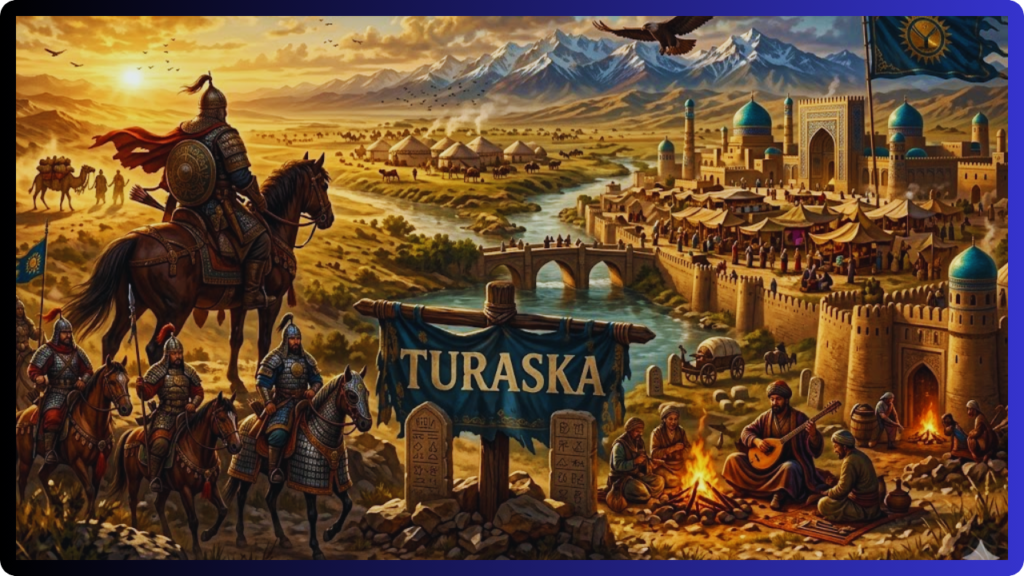

Turaska is an emerging keyword that has recently gained attention in the world of digital content and search engine optimization. Many users discover Turaska while exploring unfamiliar terms that appear in search queries or niche online discussions. Unlike traditional keywords, Turaska does not yet have a fixed definition, which makes it both unique and highly adaptable. This flexibility allows content creators to shape its meaning based on context, purpose, and audience intent. As search engines continue to evolve, such keywords are becoming more valuable in building semantic relevance. Understanding Turaska is essential for anyone looking to explore modern SEO trends and keyword strategies.
Who Is Turaska?
Turaska is not a person, organization, or officially recognized entity, but rather a keyword or term that appears in digital content and search queries. Many users initially assume Turaska refers to a specific individual or brand due to its structured and name-like appearance. However, in most cases, it is used as a conceptual or experimental keyword within SEO and content marketing. This misunderstanding highlights how modern keywords can resemble real names while serving entirely different purposes. Turaska represents a broader trend where unique terms are created to capture attention and explore search engine behavior. Understanding this distinction helps clarify its true role in digital environments.
What Is Turaska and Why It Matters
Concept and Interpretation of Turaska
Turaska can be described as a conceptual or exploratory keyword that gains meaning through usage rather than definition. It is often used in content where creativity and uniqueness are important for ranking and engagement. Because Turask does not belong to a specific niche, it can be adapted to multiple topics such as technology, culture, branding, or SEO experimentation. This adaptability makes it a powerful tool for writers aiming to create original and standout content. Over time, repeated usage may give Turask a clearer identity in the digital space. For now, it remains a flexible keyword with strong potential.
Linguistic and Structural Insight
From a linguistic point of view, Turask has a natural phonetic structure that resembles words from European language families. This gives it an authentic and memorable sound, which can contribute to its popularity. However, there is no confirmed origin or dictionary reference for Turask, making it a purely modern creation in most cases. Such terms are often favored in SEO because they are unique and face little competition. This allows websites to rank more easily when the keyword is properly optimized. As a result, Turask is becoming increasingly relevant in semantic content strategies.
Turaska in Modern SEO Strategy
Importance in Semantic SEO
Turaska fits perfectly into the concept of semantic SEO, where search engines focus on meaning, context, and user intent rather than exact keyword repetition. By using Turask naturally within well-structured content, writers can create relevance and authority around the topic. This approach improves search visibility and enhances user experience at the same time. Modern algorithms reward content that provides value and clarity, even when the keyword itself is new or undefined. Turask allows creators to experiment with these principles effectively. It serves as an example of how SEO is shifting toward deeper content understanding.
User Intent and Search Trends
Search behavior around Turask is primarily curiosity-driven, meaning users want to understand what the term represents. This creates an opportunity for informational and educational content that answers these questions in depth. When users search phrases like “Turask meaning explained” or “what is Turaska keyword,” they expect clear and structured answers. Providing this information helps build trust and authority in the eyes of both users and search engines. Over time, as more people search for Turask, its intent may become more defined. For now, it remains a keyword driven by exploration and discovery.
Common Applications of Turaska
Turaska in Content Creation
Content creators often use Turaska as a topic for detailed guides, explanations, and SEO experiments. Its open-ended nature allows writers to explore different angles without limitations. This makes it especially useful for blog posts, educational articles, and niche websites. By creating high-quality content around Turask, writers can attract organic traffic and establish topical authority. As more articles are published, the collective meaning of Turask begins to take shape. This process highlights the dynamic nature of digital language and keyword development.
Turaska in Branding and Identity
Turaska can also be used as a brand name or digital identity due to its uniqueness and memorability. Businesses and startups often look for names that are distinctive and easy to rank on search engines. Turask offers both of these advantages, making it a strong candidate for branding purposes. It can represent a wide range of industries, from technology to creative services. This versatility increases its long-term value as a recognizable term. As branding becomes more competitive, unique keywords like Turask gain even greater importance.
Long-Tail Keywords and Semantic Variations
Expanding Reach with Turaska Keywords
To fully optimize content, it is important to use long-tail variations of Turask that match specific search queries. Examples include phrases like “Turaska meaning explained,” “Turask SEO guide,” and “what is Turask keyword.” These variations help capture targeted traffic and improve overall ranking potential. Long-tail keywords are essential because they align closely with user intent and reduce competition. By integrating them naturally into the content, writers can enhance both readability and SEO performance. This strategy ensures that Turask content remains relevant and comprehensive.
Building Semantic Depth
Semantic optimization involves using related terms and concepts alongside Turask to create a richer content experience. Instead of repeating the same keyword excessively, writers can include supporting phrases that expand on the topic. This improves the flow of the article and makes it more engaging for readers. Search engines also benefit from this approach, as it helps them understand the full context of the content. Turask works particularly well in this framework due to its flexible meaning. As a result, it becomes easier to build authority around the keyword.
Benefits of Using Turaska in Content Strategy
Why Turaska Improves SEO Performance
Using Turask in a content strategy offers several SEO advantages, especially for new or growing websites. Because it is a low-competition keyword, it allows content to rank faster compared to highly saturated terms. This makes it ideal for testing new SEO techniques and content structures. Additionally, Turask encourages originality, which is a key factor in modern ranking algorithms. Unique content tends to perform better and attract more engagement from users. Over time, consistent use of Turask can strengthen domain authority and visibility.
Key Advantages of Turaska Keyword
- Low competition keyword with high potential
- Flexible usage across multiple niches
- Supports semantic SEO strategies
- Encourages creative and original content
- Suitable for long-tail keyword expansion
Challenges and Limitations of Turaska
Understanding the Risks
While Turask offers many benefits, it also comes with certain challenges that content creators should consider. The lack of a clear definition can make it difficult to target a specific audience or intent. Some users may leave the page if they do not quickly find a clear explanation. This means content must be highly informative and well-structured to retain engagement. Additionally, search volume for Turask may fluctuate due to its emerging nature. Careful planning is required to maximize its effectiveness in SEO campaigns.
How to Overcome These Challenges
To successfully use Turaska, writers should focus on clarity, structure, and value-driven content. Providing detailed explanations and answering potential user questions can improve engagement and trust. It is also important to combine Turask with long-tail keywords to capture more targeted traffic. Consistent content updates can help maintain relevance as the keyword evolves. By following these strategies, creators can minimize risks and maximize results. Turask can then become a reliable part of a broader SEO strategy.
Turaska Content Optimization Tips
Writing High-Quality Turaska Content
Creating effective content around Turaska requires a balance between creativity and optimization. Writers should focus on delivering useful information while naturally incorporating the keyword. Overusing Turask can reduce readability, so it is important to maintain a natural flow. Structuring content with clear headings and logical sections improves both user experience and SEO performance. High-quality content is more likely to be shared and referenced, increasing its reach. This approach ensures long-term success with Turask.
Practical Optimization Techniques
- Use Turaska in headings and subheadings naturally
- Include long-tail variations for better targeting
- Maintain keyword density without overuse
- Focus on readability and user engagement
- Update content regularly to stay relevant
Turaska and Digital Keyword Evolution
Turaska reflects how new keywords emerge and evolve within the digital ecosystem. Unlike traditional terms, modern keywords often originate from search behavior, content experimentation, or branding needs. This organic development process highlights the importance of adaptability in SEO strategies. As more users engage with Turask, its meaning will gradually become more structured and widely understood. This transformation demonstrates the dynamic relationship between language and technology. Turask stands as an example of how digital trends can shape new vocabulary.
How Turaska Builds Topical Authority
Using Turask consistently across multiple pieces of content can help build strong topical authority. Search engines favor websites that provide comprehensive coverage of a subject, even if the subject is still emerging. By creating clusters of related content, writers can signal expertise and relevance. This strategy improves overall rankings and increases organic traffic over time. Turask offers a unique opportunity to establish authority early, before the keyword becomes competitive. Consistency and quality are key factors in achieving this goal.
Turaska in Future Content Marketing Trends
Turaska is likely to play a role in future content marketing strategies as the demand for unique and original keywords continues to grow. Marketers are constantly searching for ways to stand out in crowded digital spaces, and emerging terms provide a clear advantage. By incorporating Turask into innovative campaigns, brands can attract curiosity-driven audiences. This approach not only improves visibility but also enhances engagement and brand recognition. As digital marketing evolves, keywords like Turask will become increasingly valuable. They represent the future of creative and strategic content development.
FAQs
1. What is Turaska?
Turaska is an emerging keyword with no fixed definition, often used in SEO and digital content.
2. Why is Turaska trending?
Turaska is trending due to curiosity-driven searches and its potential in low-competition SEO strategies.
3. How is Turaska used in SEO?
Turaska is used as a flexible keyword for creating unique, semantic, and optimized content.
4. Does Turaska have a real meaning?
Turaska does not have an official meaning yet and depends on context and usage.
5. Can Turaska be used for branding?
Yes, Turaska can be used as a unique and memorable brand or domain name.
ReadMore:Company Website ShopNaclo Full Review 2026 SEO Strategy Features and Online Identity
Final Thoughts
Turaska is a modern keyword that highlights the evolving nature of digital language and search behavior. Its lack of a fixed definition makes it flexible, adaptable, and highly valuable for content creators. By using Turask strategically within semantic SEO frameworks, writers can create meaningful and engaging content that ranks well. As more users search for and interact with the term, its meaning will continue to develop. This makes Turask not only a keyword but also a representation of innovation in online communication. Embracing such emerging terms can lead to new opportunities in content creation and digital marketing.